As construction teams continue to deal with labor shortages, supply chain issues, and permitting delays, another challenge is gaining attention across the industry: getting workers to the jobsite efficiently.
While transportation is often viewed as a logistical detail, industry professionals say it can have a significant impact on project schedules, workforce productivity, and overall project costs.
Large-scale developments such as data centers, infrastructure projects, manufacturing facilities, and distribution hubs often cover vast areas and operate around the clock. Many of these projects are located in remote areas where public transportation options are limited, making workforce transportation a growing concern.
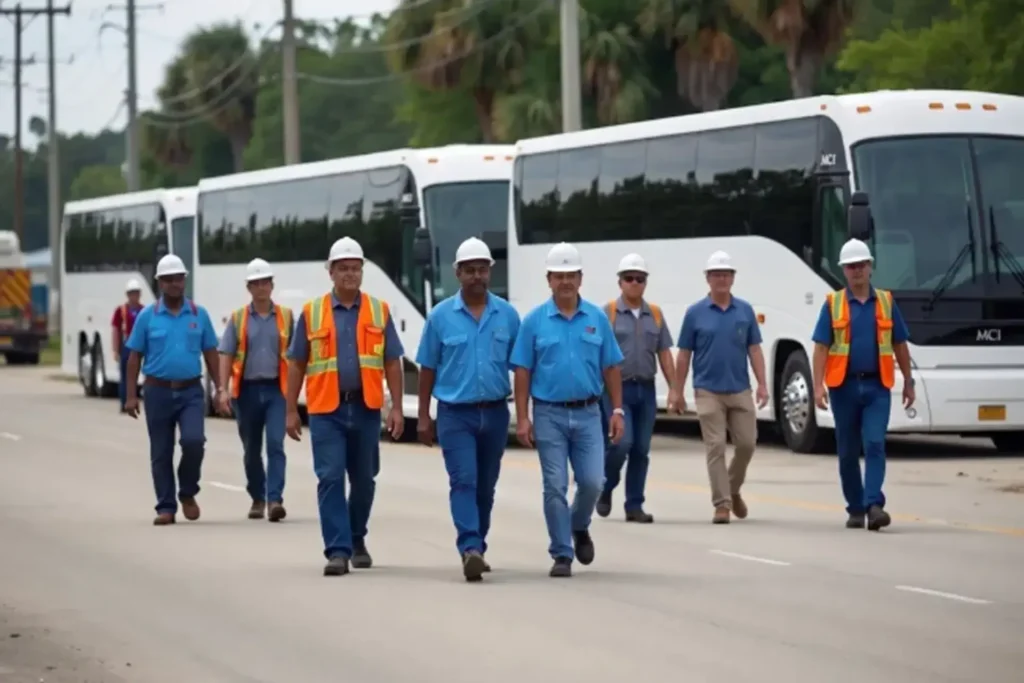
Transportation Issues Can Affect Daily Operations
On many construction sites, workers are responsible for arranging their own transportation. Long commutes, traffic congestion, limited parking, and inconsistent rideshare arrangements can create daily disruptions before work even begins.
Project managers say these issues often lead to delayed shift starts, interruptions during crew transitions, and reduced productivity throughout the day. Parking shortages can also create challenges around active jobsites, especially in urban areas where available space is limited.
As projects become larger and more complex, transportation planning is increasingly being viewed as part of overall project management rather than a separate logistical task.
Workforce Accessibility Matters
With competition for skilled labor remaining high in many markets, contractors are looking for ways to make jobsites more accessible to workers.
Reliable transportation can help expand the available labor pool by allowing workers to travel from a wider geographic area. It can also improve worker satisfaction by reducing commute-related stress and eliminating concerns about parking availability.
Industry observers note that workers often consider commute times and transportation options when deciding which projects to join, particularly on long-term assignments.
Technology Brings More Visibility
Transportation providers are increasingly using technology to improve workforce mobility on construction projects. Features such as GPS tracking, route optimization, real-time scheduling, and fleet monitoring give project teams better visibility into daily transportation operations.
This information can help contractors identify traffic bottlenecks, adjust schedules, improve route efficiency, and better coordinate worker arrivals across multiple shifts.
For projects operating 24 hours a day, transportation data can provide valuable insights that support more efficient workforce planning.
A Growing Priority for Project Teams
As construction projects continue to increase in size and complexity, transportation planning is becoming a more important part of workforce management strategies.
Industry experts say that ensuring workers can reach the jobsite safely and on time may play a larger role in project success than many contractors previously realized.
For many construction firms, the conversation is no longer whether workforce transportation should be considered during project planning. Instead, the focus is shifting toward how early transportation strategies should be incorporated into the overall project schedule.