A growing number of stadiums across North America are proving that even large sports venues can be designed and operated in energy-efficient ways.
According to the U.S. Green Building Council, 31 stadiums across the United States, Canada, and Mexico have now earned LEED certification. These range from smaller 9,500-seat venues to massive arenas like the 88,000-seat Estadio Banorte in Mexico City.
The USGBC recently released an interactive map highlighting how these stadiums reduce energy use, save water, and improve sustainability while still serving thousands of fans on game day.
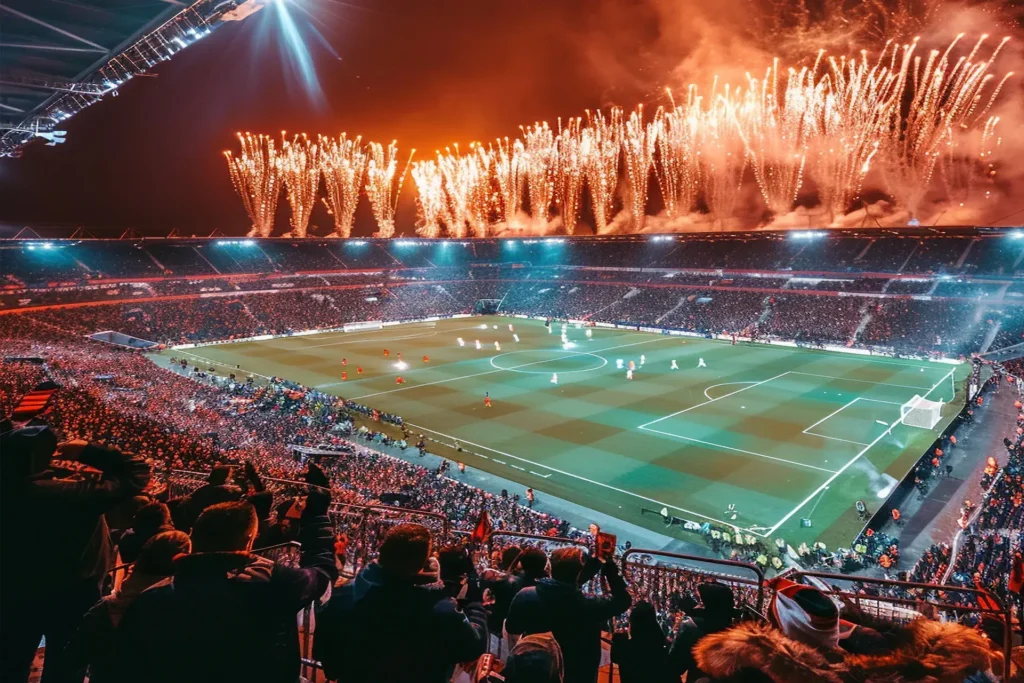
MetLife Stadium Among the Newest LEED Gold Winners
One of the latest stadiums to receive recognition is MetLife Stadium in New Jersey. Home to the New York Jets and New York Giants, it earned LEED Gold certification in May.
The stadium has introduced several sustainability features, including:
- On-site solar power generation
- LED lighting systems
- Motion sensor lighting controls
- Hybrid-electric vehicles for operations
These upgrades help reduce energy consumption while supporting large-scale events year-round.
Levi’s Stadium Sets the Standard for Green Sports Venues
Levi’s Stadium has been a leader in sustainable stadium design since earning LEED Gold certification in 2014.
The stadium includes:
- More than 1,100 solar panels
- Low-flow water fixtures
- A rooftop farm called Faithful Farms, spanning about 7,500 square feet
The farm grows crops such as peppers, strawberries, garlic, herbs, and squash. Produce is used in stadium food service and also donated to local food banks when there is excess.
This integration of food production and stadium operations shows how sustainability can go beyond energy savings alone.
Vancouver and Mexico City Also Show Innovation
In Canada, BC Place stands out for its massive retractable roof, which supports natural ventilation and helps improve energy efficiency. The stadium holds more than 54,000 fans and is one of the region’s key LEED-certified venues.
In Mexico City, Estadio Banorte is the largest stadium in Latin America, with nearly 88,000 seats. It recently underwent major renovations, including upgraded HVAC systems and mechanical infrastructure designed to improve energy performance.
The stadium also offsets part of its emissions through carbon credits, supporting broader sustainability goals.
A Growing Trend in Stadium Design
The USGBC interactive map shows that sustainable design is becoming more common in large sports venues. These stadiums are reducing energy use through solar power, efficient lighting, better ventilation systems, and smarter building controls.
As more facilities adopt these practices, energy-efficient stadiums are shifting from rare examples to a growing standard in modern sports infrastructure.