Drivers traveling through Los Angeles and Malibu should prepare for significant traffic disruptions this week as repair work continues on two major Southern California roadways damaged by recent wildfires and severe weather.

Transportation officials have announced temporary lane closures and reduced speed limits along portions of Pacific Coast Highway (PCH) and Topanga Canyon Boulevard as crews work to restore critical infrastructure.
The construction activity is part of an ongoing effort to repair damage caused by the Palisades Fire and subsequent mudslides that affected the region over the past two years.
Pacific Coast Highway Construction Underway
Work is taking place along an approximately 11-mile section of Pacific Coast Highway between Temescal Canyon Road in Pacific Palisades and Carbon Beach Terrace in Malibu.
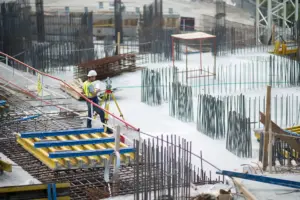
Construction crews are repairing roadways, bridges, retaining walls, drainage systems, and electrical infrastructure that sustained damage during the wildfire and the severe weather events that followed.
Weekday lane restrictions are scheduled between 9 a.m. and 3 p.m. through Friday, with reduced speed limits in several construction zones.
Motorists should expect slower traffic conditions and allow extra travel time when passing through affected areas.
Overnight Lane Controls on Topanga Canyon Boulevard
Additional traffic restrictions are in place on Topanga Canyon Boulevard, where overnight construction operations will continue throughout the week.
Single-lane traffic controls are scheduled from 10 p.m. to 6 a.m. between Happy Trail and Pacific Coast Highway. Drivers traveling during overnight hours are advised to watch for changing traffic patterns and temporary delays.
Reduced speed limits have also been implemented in construction zones to improve safety for both workers and motorists.
Wildfire Recovery Continues Along Malibu Coast
The infrastructure repairs are part of the long-term recovery efforts following the devastating Palisades Fire, which destroyed thousands of structures along the Malibu coastline and caused widespread damage to transportation networks.
Utility poles, power lines, and highway infrastructure were heavily impacted, forcing extended road closures in the months following the disaster.
The fire also weakened vegetation and destabilized hillsides throughout the region, increasing the risk of mudslides and rockfalls during subsequent storms.
Heavy rainfall in 2026 further complicated recovery efforts, washing out portions of Topanga Canyon Boulevard and requiring additional emergency repairs.
Roadways Have Reopened With Restrictions
Although Pacific Coast Highway and Topanga Canyon Boulevard have reopened to traffic, construction work remains ongoing.
Traffic controls continue along portions of both highways as crews complete repairs and implement measures designed to improve long-term roadway resilience.
Some areas currently operate under reduced speed limits, while temporary lane closures may change depending on construction activities and weather conditions.
Transportation officials say drivers should remain alert when traveling through work zones and follow posted traffic signs at all times.
Drivers Encouraged to Plan Ahead
With summer travel volumes increasing across Southern California, officials are encouraging motorists to plan for delays and consider alternate routes whenever possible.
Travelers using Pacific Coast Highway or Topanga Canyon Boulevard are advised to check real-time traffic conditions before leaving and allow additional time for their commute.
The ongoing repair work highlights the significant challenges involved in rebuilding transportation infrastructure following major natural disasters and underscores the importance of long-term investments in resilient roadway systems.
Construction activities are expected to continue as California works to restore and strengthen one of its most heavily traveled coastal transportation corridors.