
The U.S. construction industry could soon face higher material costs following a proposed 50% tariff on many Canadian imports scheduled to take effect in August 2026.
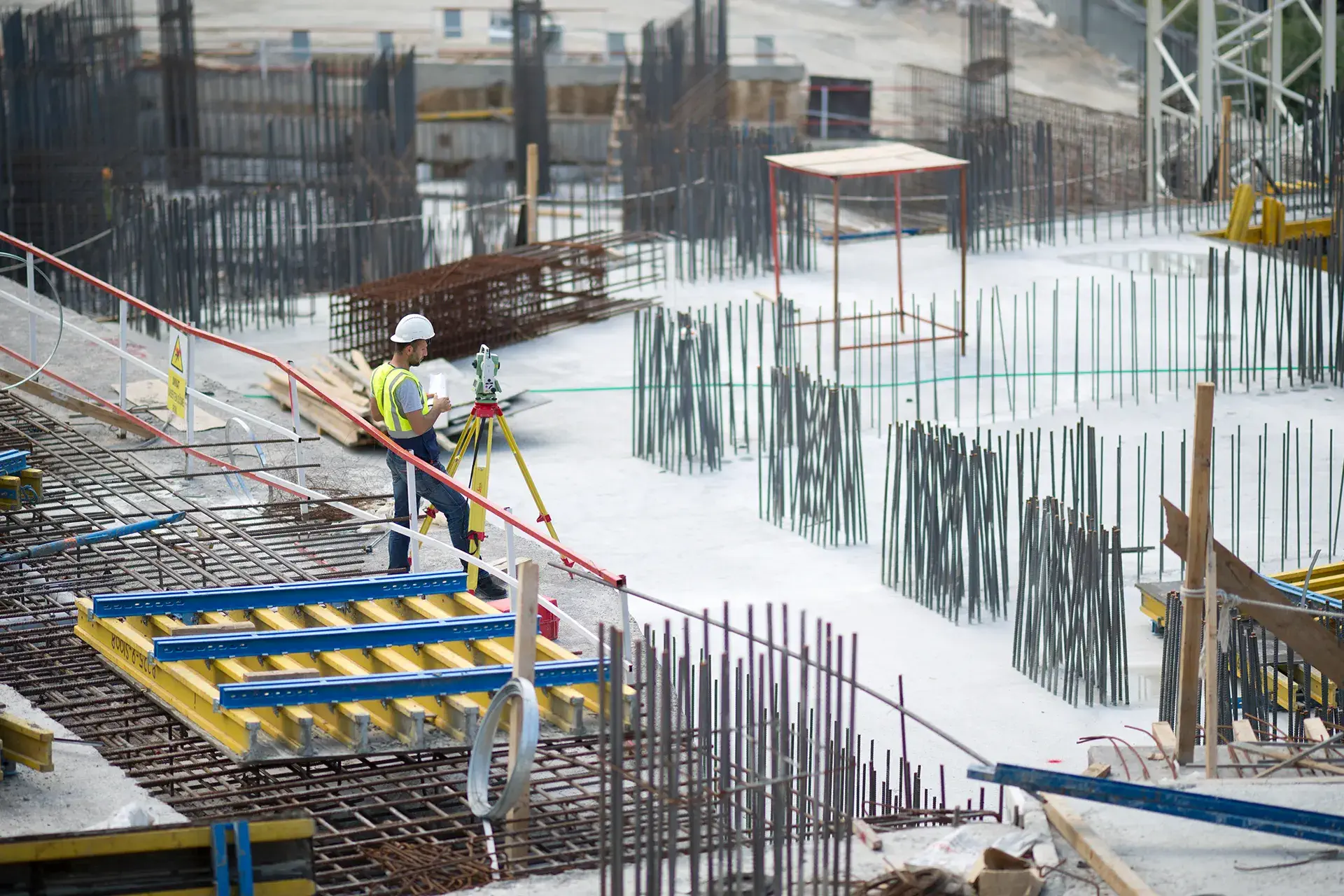
Industry experts say the new tariff measures may significantly impact contractors, particularly those involved in concrete-intensive projects such as highways, bridges, commercial developments, and large infrastructure projects.
Beyond rising costs, the announcement is creating uncertainty for contractors trying to estimate project expenses and submit competitive bids.
Contractors Face Growing Pricing Challenges
Construction firms often prepare bids months before materials are purchased. When tariffs are introduced or adjusted unexpectedly, previously accurate cost estimates can quickly become outdated.
Legal and construction professionals warn that rapidly changing material prices make it difficult for contractors to confidently pursue fixed-price contracts.
The uncertainty is expected to influence how contractors negotiate future agreements, with many firms likely to seek stronger contract language that addresses material price increases and regulatory changes.
Industry advisors are recommending that contractors review their contracts carefully and include provisions that allow for material cost escalation or changes in law that could affect project pricing.
Cement Prices Could See the Biggest Impact
Among construction materials, cement appears to be one of the products most likely to be affected by the proposed tariff.
Because cement is a key ingredient in concrete, any significant price increase could have widespread consequences throughout the construction industry.
Projects that rely heavily on concrete may experience the greatest financial impact, including:
- Highway construction
- Bridge projects
- Building foundations
- Industrial facilities
- Multifamily developments
- Large commercial construction projects
Concrete suppliers and contractors are expected to closely monitor pricing trends in the coming weeks as more details become available.
Material Cost Increases Often Spread Throughout the Supply Chain
While importers are responsible for paying tariffs when products enter the United States, the additional costs rarely remain with a single party.
In many cases, higher material prices are passed through the supply chain and ultimately affect distributors, contractors, project owners, and consumers.
Public construction projects may experience higher bids or increased costs during construction, which can eventually be funded through taxpayer dollars. Private developments may see increased construction budgets, project delays, or scope adjustments to offset rising expenses.
Contractors working under fixed-price contracts could face additional challenges if material costs rise significantly after agreements have already been signed.
Certain Construction Materials Are Exempt
Not all construction materials are included in the proposed tariff action.
Steel, aluminum, and copper products that are already subject to separate federal trade measures are excluded from this particular announcement. Several other products, including certain minerals and energy-related materials, are also exempt.
However, contractors are being advised to review tariff classifications carefully before assuming that all Canadian construction materials will be affected.
The final scope of the tariff measures will determine which products experience cost increases.
Construction Costs Were Already Expected to Rise
The proposed tariff announcement comes at a time when construction material prices remain volatile.
Although construction input costs declined temporarily in June due in part to lower oil prices, economists have continued to warn that global economic pressures, tariffs, and geopolitical developments could contribute to higher material costs later in the year.
Many contractors have already adjusted procurement strategies in response to fluctuating pricing across multiple material categories.
The latest tariff proposal adds another variable that construction companies must consider when planning future projects.
Contractors Should Prepare for Additional Market Changes
Construction industry professionals are encouraging contractors to take several proactive steps while awaiting further guidance on the tariff implementation.
These include reviewing existing contracts, obtaining updated supplier pricing, confirming quote expiration dates, and communicating potential cost impacts with project owners as early as possible.
Because the tariff is not scheduled to take effect until August 19, details surrounding implementation could still change through negotiations or regulatory guidance.
For now, contractors should prepare for the possibility of higher cement and concrete costs and build greater flexibility into future project pricing strategies.
As material markets continue to shift, effective risk management and contract planning will remain critical for construction firms across the United States.