Water infrastructure is becoming a larger priority across the U.S. as drought, aging systems, extreme weather and rapid industrial development increase demand for new treatment facilities and infrastructure upgrades.
Jaren Murphy, president of water at McCarthy Building Cos., says the market has changed significantly over the past five years and expects investment to continue increasing over the next decade.
Murphy, who is based in Phoenix, has a firsthand view of the water challenges facing the Southwest, particularly the ongoing pressure on the Colorado River.
Large Water Projects Are Becoming More Common
According to Murphy, projects valued between $200 million and $250 million were considered unusually large in 2021. At the time, there were very few projects approaching $1 billion.
That has changed considerably.
Today, major cities and water districts across the country are developing capital improvement programs worth $1 billion or more. Many are investing in new treatment plants, expanding capacity and replacing infrastructure that has reached the end of its useful life.
Murphy expects that trend to continue as communities face different water challenges depending on their location.
In the Southwest, drought and declining Colorado River water supplies are increasing demand for advanced treatment and water reuse. Communities and industries are looking for ways to recycle water and make better use of existing supplies.
In the Midwest and East, aging infrastructure and increasingly severe storms are major drivers. Older water and wastewater facilities must be upgraded to handle larger volumes of water and improve resilience during hurricanes and other extreme weather events.
Data Centers and Other Industries Add Demand
Water infrastructure investment is also being influenced by growth in other construction sectors.
Murphy said McCarthy’s water business currently accounts for about 5% of the company’s overall construction activity. That percentage has remained relatively stable as the company’s water business has expanded alongside the broader company.
Much of that growth is connected to larger projects in sectors such as healthcare, data centers, renewable energy and other mission-critical facilities.
As these industries expand, the need for reliable water supplies and treatment capacity can increase as well.
Early Collaboration Can Help Complex Projects
McCarthy is focusing on delivery models that allow contractors to become involved early in the process.
The company prefers approaches such as construction manager at-risk, design-build and progressive design-build, where contractors can work with owners and engineers before construction begins.
Early involvement allows project teams to evaluate the proposed technology, budget, schedule, workforce requirements and construction challenges before work reaches the field.
Water facilities can be particularly difficult to build because they often have to remain operational throughout construction.
A treatment plant cannot simply be shut down while contractors replace equipment or modify systems. Construction teams may need to perform complex work while the facility continues treating water.
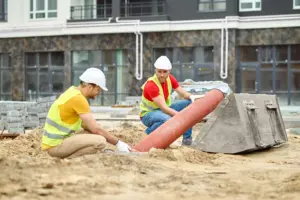
That creates challenges that may not be obvious from drawings and specifications alone. The way equipment, workers and construction machinery interact in the field can require solutions that are difficult to identify during design.
Collaborative delivery gives contractors, engineers and owners an opportunity to work through those issues before they become expensive construction problems.
Southwest Water Investment Could Continue for Decades
Murphy expects water investment in the Southwest to remain strong for many years as the region deals with the effects of drought and pressure on the Colorado River.
Advanced water treatment, recycling and reuse projects are likely to remain important as communities search for additional water supplies.
He expects demand for larger and more sophisticated water treatment facilities to continue for the next 10 to 20 years.
Aging Infrastructure Creates Another Major Market
The Midwest faces a different challenge.
Many water and wastewater treatment facilities were constructed during the 1960s and 1970s. As those systems reach or exceed their expected service lives, communities are increasingly facing the need to replace equipment, modernize treatment technology and rebuild aging plants.
Texas is another area expected to see continued investment. Population growth and industrial development are increasing demand for reliable water resources and treatment capacity.
The growth of industries bringing significant investment into the state could provide additional momentum for major water infrastructure projects.
Water Will Remain Central to U.S. Growth
The long-term outlook for water construction remains strong because communities and industries cannot expand without dependable water infrastructure.
As cities grow, industries build new facilities and climate pressures increase, water systems will need to keep pace.
That means continued investment in treatment plants, water reuse, distribution networks and other infrastructure is likely to remain a major part of the U.S. construction market for years to come.