Large investments in data centers, power, infrastructure and advanced manufacturing are driving much of the U.S. construction market, while several other sectors continue to lag.
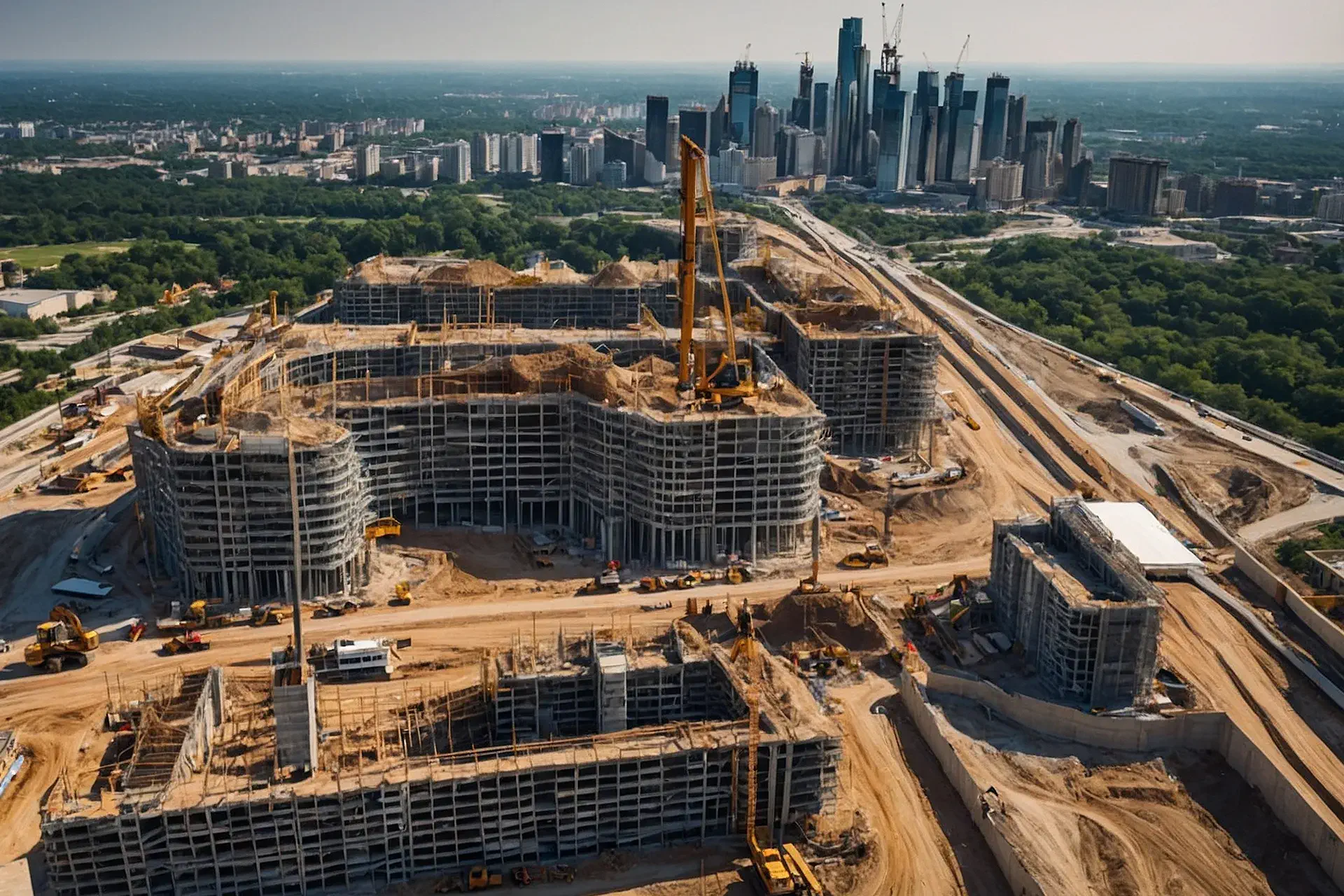
Large construction projects are having an outsized impact on the U.S. building market, with projects worth more than $1 billion now accounting for roughly one-quarter of nonresidential construction spending.
The trend is creating a construction market that can look strong in some areas while remaining weak in others.
Michael Guckes, chief economist at ConstructConnect, said construction activity has been especially unpredictable this year. He noted that the type of work a contractor focuses on could have a major effect on its business outlook.
Data centers and power lead the market
Large data center projects continue to be one of the biggest sources of construction activity. Major investments in power generation and infrastructure are also helping support the market.
Juan Arias, national director of U.S. industrial analytics at CoStar, said the strongest activity is concentrated around data centers, power, infrastructure and advanced manufacturing.
This concentration is also changing the way overall construction data looks from month to month. A small number of very large projects can significantly increase or decrease total activity depending on when those projects begin.
Manufacturing provides another example. Overall manufacturing construction has slowed from its highs in 2024 and 2025, but some technology-related projects are still expanding.
Semiconductor facilities and projects tied to electronics, communications equipment and electrical infrastructure have continued to attract investment. At the same time, construction connected to industries such as chemicals and automotive production remains below last year’s levels.
Large projects are changing industry trends
The growing influence of megaprojects is making traditional construction indicators harder to read.
A strong month can be followed by a sharp decline simply because several major projects moved into different stages at the same time. This has contributed to swings in construction starts and backlog figures.
Contractors that have won major data center projects are generally carrying more work than companies that do not serve that market. This has given larger firms with the resources and experience to handle massive projects an advantage.
Smaller contractors and companies focused on other types of construction have not benefited from the boom to the same extent.
Rising costs create another challenge
There are also signs that the construction market could face more pressure in the months ahead.
Data center planning declined in August, raising questions about whether the sector can continue expanding at its current pace. If data center activity slows, other construction segments may need to provide more of the industry’s growth.
Material costs are another concern. Construction input prices increased 1.2% in August and were 8.9% higher than a year earlier, according to an analysis from Associated Builders and Contractors.
Metal and petroleum products recorded some of the larger price increases. Prices for items such as switchgear and copper wire have also risen, adding pressure to projects that already face tight budgets.
Labor shortages and supply chain problems remain concerns as well. Contractors with strong backlogs may still face lower margins if the cost of completing those projects continues to rise.
For now, the construction market remains heavily dependent on a relatively small group of large projects. Data centers, power infrastructure and advanced manufacturing are providing strong opportunities, but the broader market is far less consistent.