Long-lasting materials, factory-built components and reusable structures can help reduce construction waste and extend the useful life of buildings.
Sustainable construction is often measured by how much material a project uses, how much waste it produces and how much carbon is released during construction. But another factor deserves attention: how long the building will last.
A structure that needs frequent repairs or replacement can create additional costs, waste and demand for new materials over time. Steel construction and modular building methods offer ways to address these challenges by focusing on durability, efficient manufacturing and reuse.
VITALSpace, a group of companies that designs and manufactures steel and modular buildings for industries including healthcare, industrial operations and correctional facilities, says these principles can help improve the long-term performance of essential buildings.
Steel construction can support longer building life
Steel is widely recycled and can be reused without losing its fundamental material properties. Its strength and durability also make it suitable for buildings that must withstand demanding conditions.
According to VITALSpace, its SteelCell business uses A60 Galvanneal coated steel to manufacture prefabricated housing units for correctional facilities. The corrosion-resistant material is designed to withstand wear in facilities that operate continuously.
Durable finishes and structural components can help reduce the need for repeated repairs and replacements. In high-use environments, this can support easier maintenance and help facilities remain functional for longer.
However, the environmental benefits of steel depend on factors such as how it is produced, transported, maintained and eventually recycled. Its full lifecycle matters when comparing construction materials.
Reusing modular buildings can reduce waste
Sustainability is not limited to recycling materials after a building reaches the end of its life. Reusing an entire structure can preserve more of the work and resources already invested in it.
Portable Solutions Group, another VITALSpace company, modifies shipping containers for uses such as temporary offices, sanitation facilities and access-control stations at construction and industrial sites.
These units can be moved to another location when a project ends, allowing them to serve a new purpose instead of being discarded.
Relocating a structure may reduce the need to manufacture a replacement, although the benefits depend on its condition, transportation requirements and suitability for the next project.
Factory-built construction can limit material waste
Traditional construction takes place outdoors, where weather, changing site conditions and scheduling issues can affect productivity and material use.
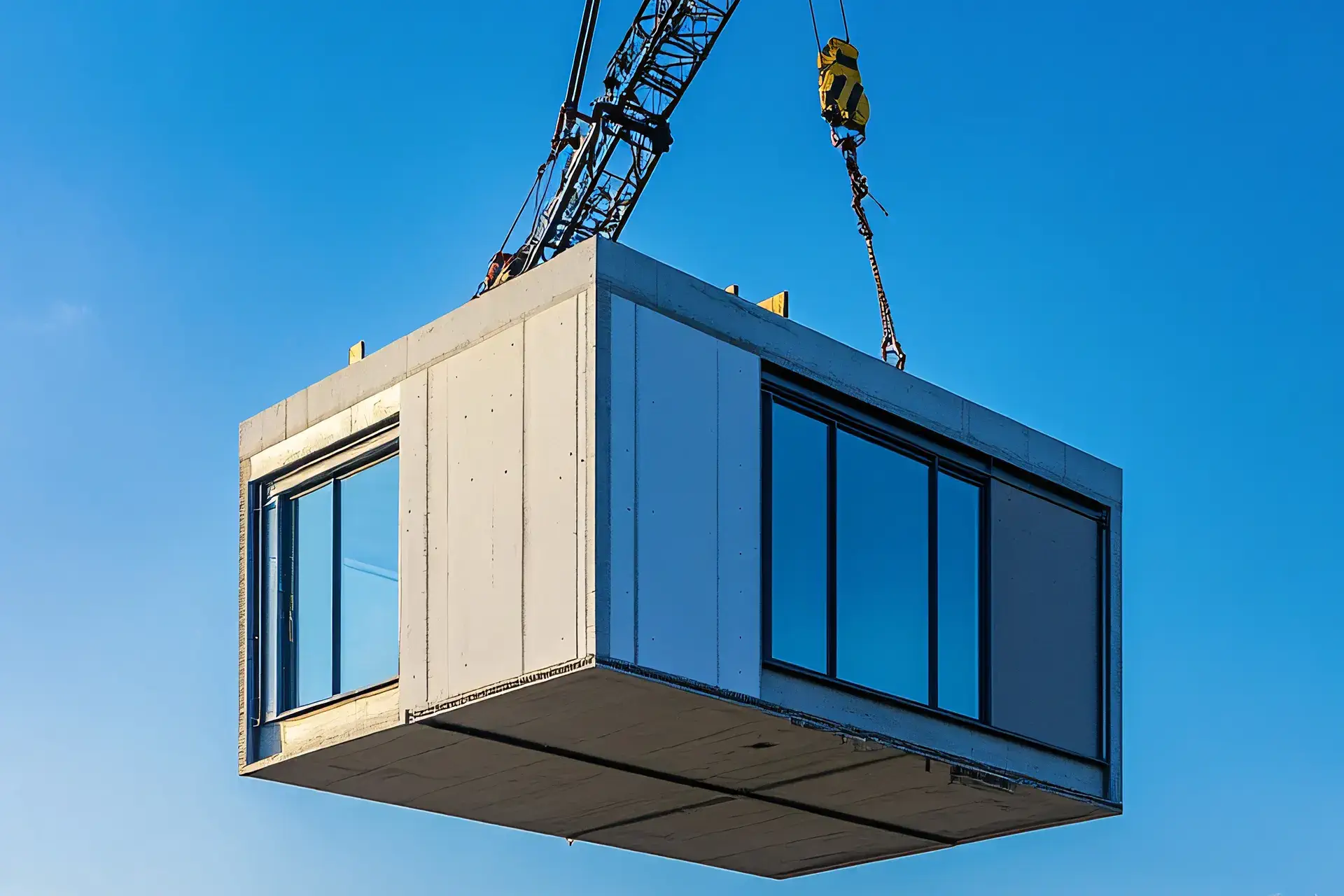
Modular construction shifts much of the building process into a controlled manufacturing facility. Workers can follow repeatable procedures, measure materials more consistently and save suitable offcuts for future use.
This approach can help reduce waste and improve quality control. Factory production can also take place while site preparation and permitting continue, potentially shortening the overall project schedule.
The amount of time saved depends on the design, approvals, site conditions and how well factory work is coordinated with on-site activities.
Modular buildings can serve different industries
Modular construction is sometimes associated with standardized buildings that offer limited design flexibility. However, prefabricated systems can be adapted to different operational needs.
VITALSpace brings together businesses including SteelCell, CareAffirm, Portable Solutions Group, BIG Enterprises and Connexure. The company says its experience spans healthcare, correctional facilities, industrial operations and other specialized markets.
Although these buildings serve different purposes, many rely on similar manufacturing principles, including repeatable processes, steel components and factory-based assembly.
The challenge is to combine that production efficiency with the specific requirements of each project. Healthcare facilities, for example, have different operational needs from industrial buildings or correctional environments. Successful modular design must account for those differences rather than use a one-size-fits-all approach.
Sustainability should be measured over a building’s lifetime
A building’s environmental performance cannot be judged by its construction cost or appearance alone. Its maintenance needs, service life, adaptability and end-of-life options also matter.
Project teams can assess long-term sustainability by asking several questions:
- How long are the materials and building components expected to last?
- Can the structure be repaired, adapted or relocated for another use?
- How much waste is generated during manufacturing and construction?
- Can materials be recovered and recycled when the building reaches the end of its service life?
Steel offers potential benefits through durability and recyclability, while modular construction can support efficient production and reuse. The actual results depend on project design, material sourcing, transportation, maintenance and end-of-life planning.
By considering these factors from the start, owners and contractors can make better decisions about the long-term value of a building, not just the resources needed to construct it.