
Banks rely on more than secure vaults, advanced cybersecurity systems, and financial expertise to keep operations running smoothly. Behind every successful branch is a network of building systems working together to support employees, customers, and critical technology.
One of the most important yet often overlooked systems is HVAC. Heating, ventilation, and air conditioning systems play a vital role in maintaining indoor comfort, air quality, and the reliable operation of banking facilities. When these systems fail, the effects can quickly spread throughout the entire branch.
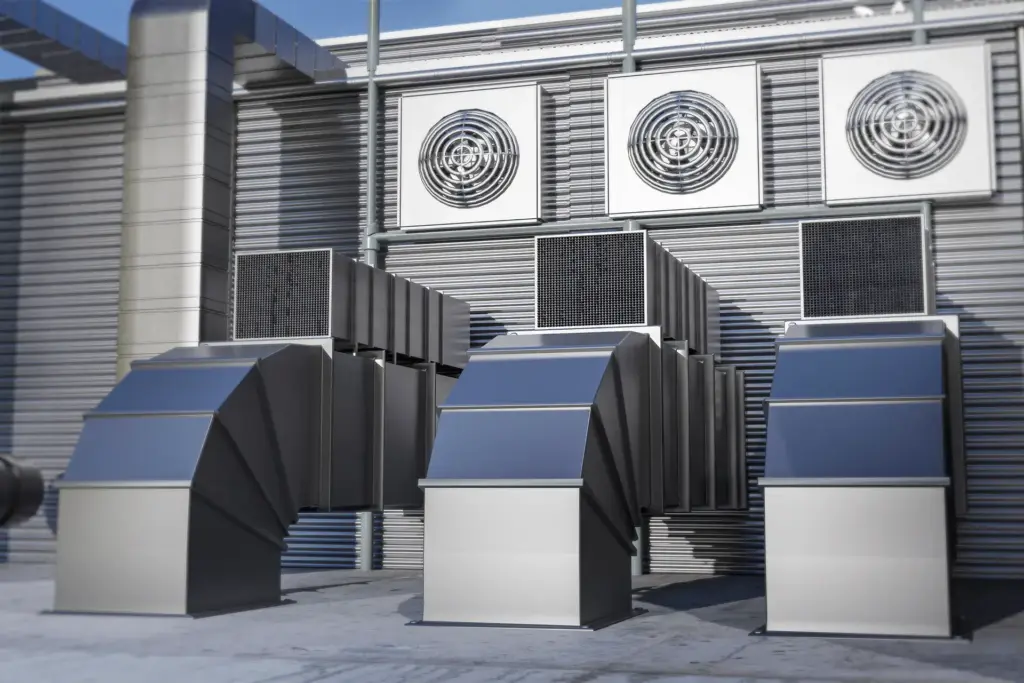
From uncomfortable lobbies and reduced employee productivity to overheating equipment and operational disruptions, HVAC failures can create challenges that impact both customer satisfaction and business continuity.
Why HVAC Systems Matter in Banking Facilities
Bank branches operate differently than many traditional office buildings. They serve customers throughout the day while supporting a range of critical functions behind the scenes, including security systems, ATM networks, meeting rooms, offices, and information technology infrastructure.
Maintaining a consistent indoor environment helps ensure customers feel comfortable during their visit and employees can work efficiently throughout the day. Proper ventilation and temperature control also help protect sensitive equipment that supports daily banking operations.
An overheated lobby, poor air circulation, or uncomfortable working conditions can negatively affect the customer experience and reduce staff productivity. Over time, these issues can impact a branch’s reputation and operational performance.
For this reason, HVAC reliability should be considered a key component of facility management and long-term operational planning.
Common HVAC Problems in Banks
Like any mechanical system, HVAC equipment can experience wear and tear over time. Several common issues frequently affect banking facilities and commercial buildings.
Aging rooftop units often lose efficiency and become more prone to breakdowns. Faulty thermostats and control systems can create uneven temperatures throughout a branch. Refrigerant leaks may reduce cooling capacity, while clogged filters can restrict airflow and lower indoor air quality.
Electrical failures, deferred maintenance, and improperly sized equipment can also contribute to system performance problems.
Many HVAC failures do not happen suddenly. In most cases, warning signs appear long before a complete breakdown occurs. Unusual noises, inconsistent temperatures, rising energy costs, and poor airflow are often indicators that a system requires attention.
Ignoring these early signs can lead to costly emergency repairs and unexpected downtime.
The Impact of HVAC Downtime on Banking Operations
When an HVAC system stops working, the consequences often extend beyond comfort.
Customers visiting a branch expect a clean, comfortable environment. Excessive heat, poor ventilation, or humidity can create a negative impression and discourage customers from spending time inside the facility.
Employees are also affected. Studies have shown that uncomfortable workplace temperatures can reduce concentration, productivity, and overall job performance.
The risks become even greater when technology systems are involved. Server rooms, network equipment, security systems, and communication hardware generate heat continuously and often require dedicated cooling. Without proper temperature control, equipment temperatures can rise quickly, increasing the risk of system interruptions or hardware damage.
In severe cases, HVAC failures may force banks to temporarily close areas of a facility or limit operations until repairs are completed.
How Banks Can Reduce HVAC Risks
The most effective way to prevent unexpected HVAC failures is through proactive maintenance and long-term planning.
Routine inspections allow technicians to identify potential issues before they develop into major problems. Regular filter changes, seasonal performance testing, refrigerant inspections, and equipment monitoring all contribute to improved system reliability.
Predictive maintenance programs can further reduce risk by identifying performance trends and detecting potential failures before they occur.
For older facilities, a comprehensive HVAC assessment can help determine whether repairs, upgrades, or complete system replacement will provide the greatest long-term value.
Critical areas such as server rooms may also benefit from redundant cooling systems that provide backup protection in the event of equipment failure.
Taking a proactive approach not only reduces emergency repair costs but also helps protect business continuity and customer service.
The Role of MEP Engineering in Banking Facilities
Mechanical, electrical, and plumbing systems must work together seamlessly to support modern banking operations. This is where experienced MEP engineers play an important role.
Engineering teams help financial institutions evaluate existing HVAC systems, perform load calculations, improve energy efficiency, and develop long-term infrastructure strategies. They can also assist with equipment replacement planning, system retrofits, and facility expansions.
Proper engineering design ensures that HVAC systems are aligned with a bank’s operational requirements while supporting reliability, efficiency, and future growth.
For banks planning renovations or new construction projects, involving MEP engineers early in the process can help prevent costly design conflicts and operational challenges later.
Conclusion
HVAC systems are a critical part of every banking facility. While they often operate unnoticed, their performance directly affects customer comfort, employee productivity, equipment reliability, and overall business continuity.
A single HVAC failure can disrupt operations, create customer dissatisfaction, and expose critical infrastructure to unnecessary risks.
By investing in preventive maintenance, strategic planning, and professional engineering support, financial institutions can reduce downtime, improve operational reliability, and create a better experience for both customers and employees.
Whether upgrading an aging system, renovating an existing branch, or planning a new facility, a proactive approach to HVAC management remains one of the most effective ways to protect long-term operational success.