Texas is preparing for a major expansion of transportation infrastructure spending, with state officials approving a 10-year program that will direct approximately $138 billion toward roads, transit and other transportation improvements.
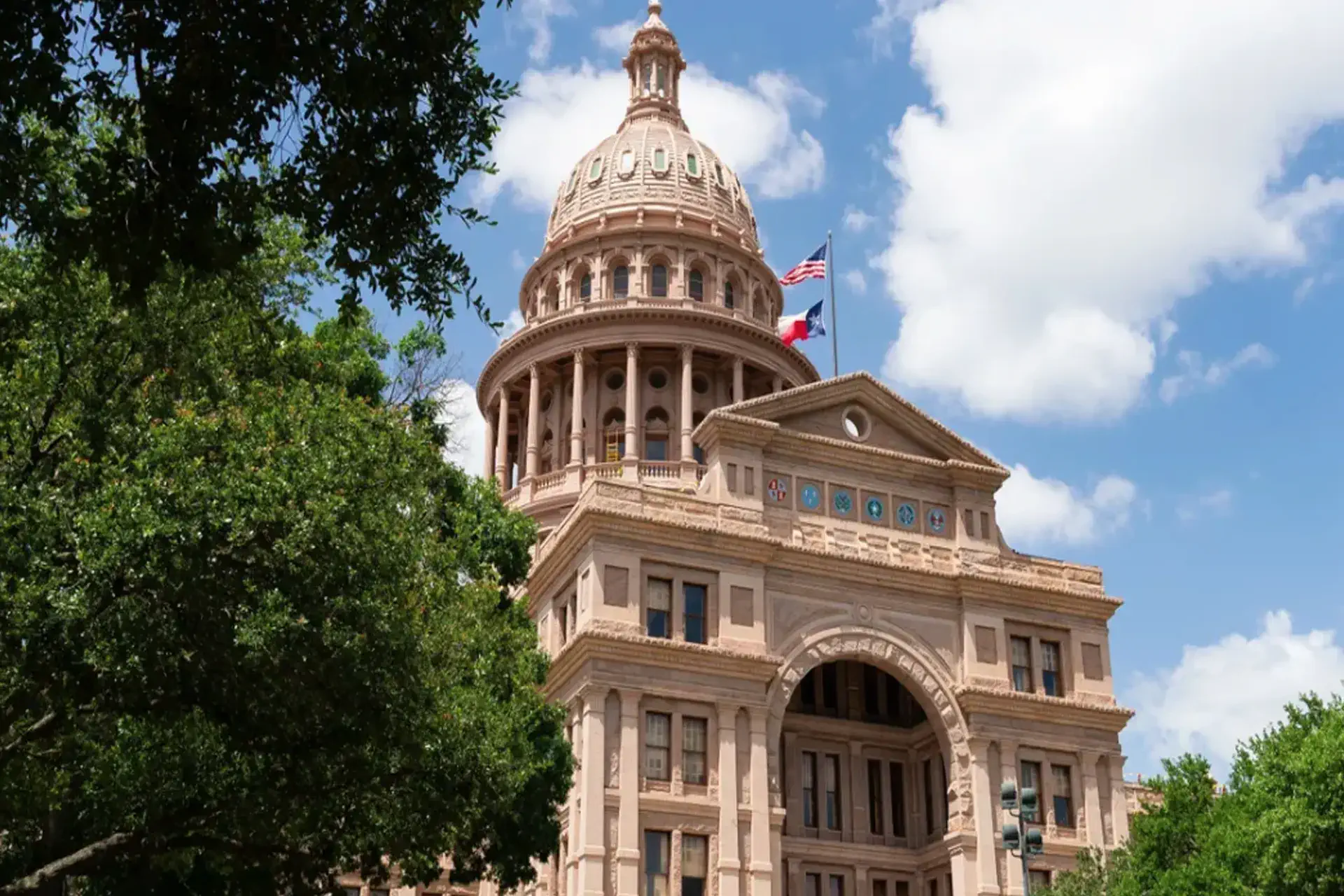
The Texas Transportation Commission approved the Texas Department of Transportation’s 2027 Unified Transportation Program, establishing the framework for transportation investments across the state over the next decade.
The program comes as Texas continues to experience rapid population and economic growth, increasing pressure on its transportation network. Gov. Greg Abbott said the investment will help address congestion, improve roadway safety and accommodate the needs of growing communities.
“This $138 billion investment will strengthen our roadways, reduce congestion, improve safety, and support growing communities across Texas,” Abbott said in an announcement.
Funding Will Support Roads and Other Transportation Systems
The 10-year investment includes about $95 billion in anticipated funding from existing state and federal sources. Another $43 billion is allocated for development and ongoing maintenance activities.
The Unified Transportation Program divides transportation funding into 12 categories. While roadway improvements make up a significant portion of the program, the plan also covers a broader range of infrastructure, including public transportation, aviation, maritime facilities, rail, freight movement and international trade.
Projects supporting bicycle and pedestrian connectivity are also included.
A major focus will be transportation corridors identified among Texas’ 100 Most Congested Roadways. According to the state’s congestion data, delays on those roads resulted in nearly $15 billion in economic losses during 2024, while drivers collectively spent more than 523 million hours stuck in traffic.
Addressing those corridors could help reduce travel delays while improving the movement of people and freight throughout some of the state’s busiest areas.
Growth Driving Transportation Demand
State officials say Texas’ continued economic and population growth is increasing the need for long-term transportation investment.
Texas recorded real GDP growth of 4.8% in 2024, exceeding the national average, according to the Texas Economic Development Corp. Population growth has also increased demand for transportation capacity in major metropolitan areas and communities across the state.
Marc Williams, executive director of TxDOT, said the new plan reflects the challenges involved in maintaining transportation infrastructure while expanding capacity.
“This 10-year plan reflects the scale and complexity of meeting Texas’ transportation needs in one of the fastest-growing states in the nation,” Williams said.
He added that the program is designed around several priorities, including improving safety, maintaining existing infrastructure and ensuring dependable transportation for both residents and commercial traffic.
Major Projects Already Underway
The new transportation program builds on significant infrastructure work already moving forward in Texas.
Earlier this year, TxDOT outlined its construction plans for the 2026 construction season, including continued work on major highway projects. One of the largest is the $4.5 billion I-35 Capital Express Central project in Austin, which is part of a broader effort to improve one of the state’s most heavily traveled transportation corridors.
The timing of the new 10-year program also comes as federal lawmakers consider the next major surface transportation funding package. Congress is working on legislation to replace the Infrastructure Investment and Jobs Act, which is scheduled to expire Sept. 30.
For Texas contractors, transportation agencies and infrastructure developers, the approved program provides a long-term pipeline of projects across highways, transit, freight, aviation and other infrastructure sectors.